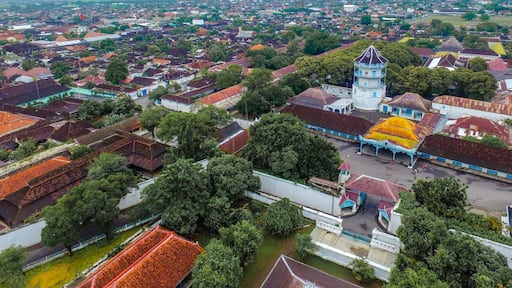

Baki
Reisgids
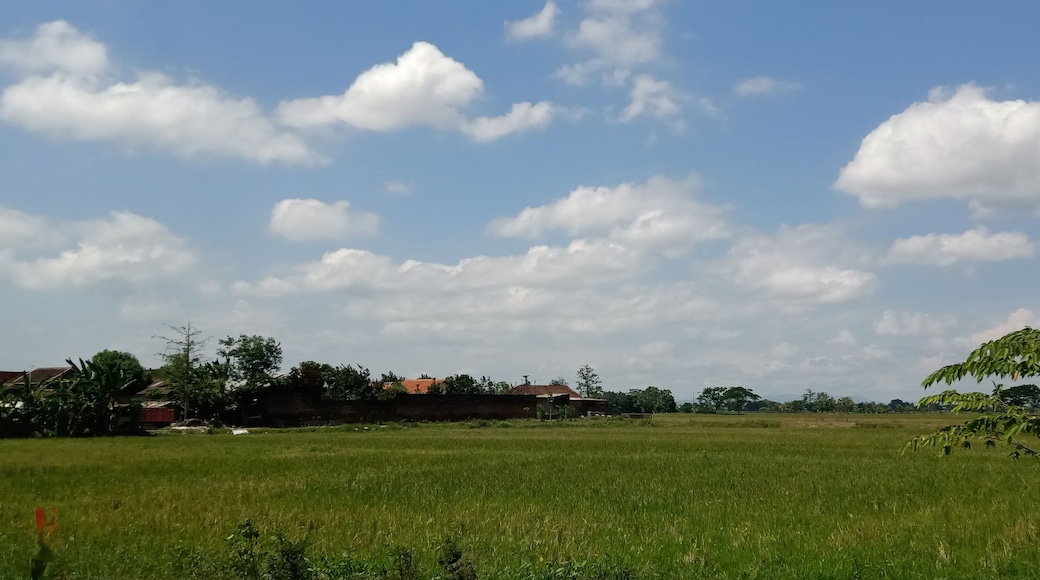
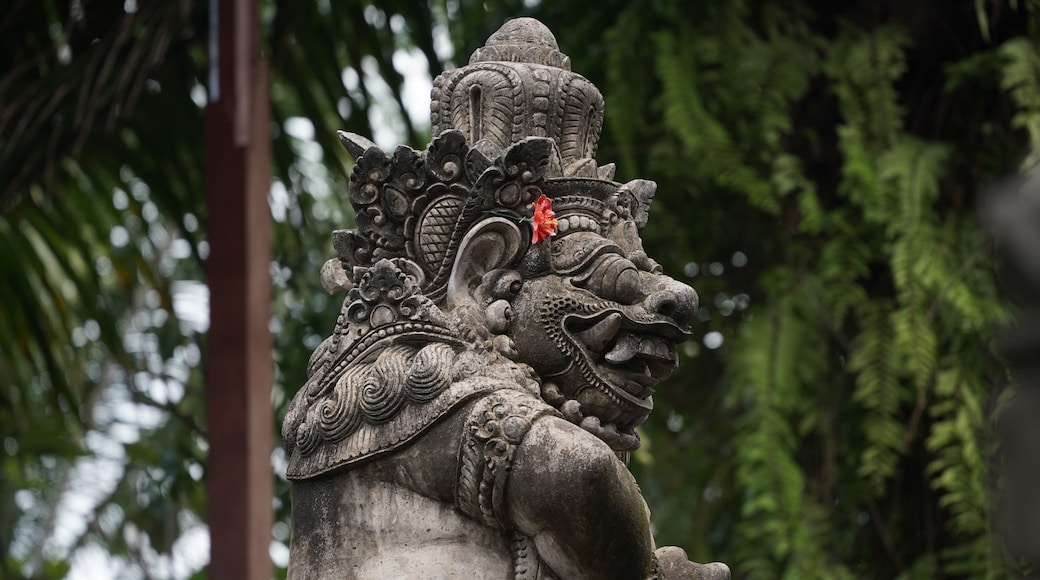

Bezoek Baki

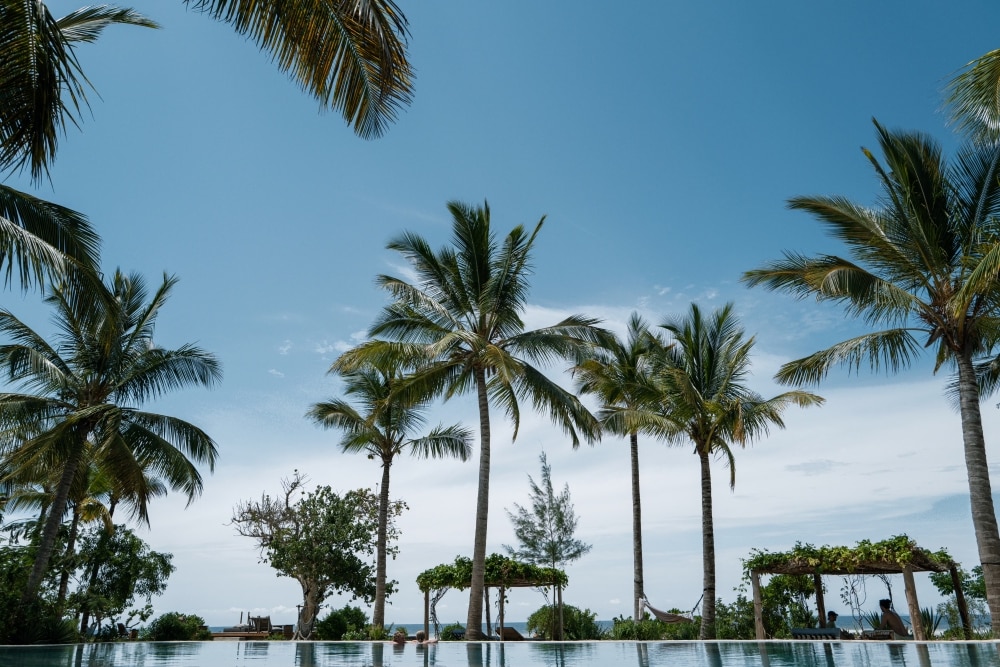
Rumah Batu Boutique Hotel
Jl. Ovensari Raya no. 8 Baki Central Java
De prijs is € 30 per nacht van 24 okt tot 25 okt
€ 30
24 okt - 25 okt
inclusief belastingen en toeslagen
Verblijf bij dit resort met een spa in Baki. Geniet van gratis ontbijt, gratis parkeerplaatsen en een volledig uitgeruste spa. De populaire attracties Hartono ...
9/10 Uitmuntend! (9 beoordelingen)
Mooi hotel, vieze kamers maar prima voor 1 nacht
"Het is een schitterend hotel, heel sfeervol opgezet met een prachtige tuin. Het personeel is heel vriendelijk en behulpzaam. Wij hadden een heerlijke massage ontvangen en hebben deze per abuis 2x betaald. Het hotel heeft ervoor gezorgd dat wij via via ons geld terugontvingen in Malang. Als dat geen ..."
Beoordeeld op 22 jul 2017

Hotel Brothers Solo Baru
Jl. Ir. Soekarno Blok AC 25 Sukoharjo Baki Jawa Tengah
De prijs is € 20 per nacht van 5 nov tot 6 nov
€ 20
5 nov - 6 nov
inclusief belastingen en toeslagen
Verblijf bij dit hotel voor zakenreizigers in Baki. Geniet van gratis wifi, gratis valetparkeren en ontbijt. De populaire attracties Hartono Mall en Kraton Surakarta ...

WARISAN Heritage Boutique Hotel
Jl. Ovensari Raya 17 A Baki Sukoharjo Baki Central Java
De prijs is € 49 per nacht van 25 okt tot 26 okt
€ 49
25 okt - 26 okt
inclusief belastingen en toeslagen
Verblijf bij dit hotel in Baki. Geniet van gratis wifi, gratis parkeerplaatsen en ontbijt. De populaire attracties Hartono Mall en Loji Gandrung bevinden zich ...
8,8/10 Geweldig! (6 beoordelingen)
Outstanding business trip
"The WARISAN hotel is a welcoming hotel. It is like a small, quiet, and intimate village surrounded by lush vegetation. The staff are friendly and conscientious, and the owner ensures the well-being of her guests. It is truly a beautiful setting for work. The food is very good, and I recommend the ..."
Beoordeeld op 27 okt 2025
Laagste prijs per nacht gevonden in de afgelopen 24 uur op basis van een verblijf van 1 nacht voor 2 volwassenen. Prijzen en beschikbaarheid kunnen altijd wijzigen. Mogelijk gelden er extra voorwaarden.

Hotel D'Madinah Inn - Gentan
57556 Cantika Pastika Mangesti Baki Jawa Tengah
Verblijf bij dit aparthotel in Baki. Geniet van gratis wifi en gratis parkeerplaatsen. De populaire attracties Solo Square en Universitas Muhammadiyah Surakarta ...
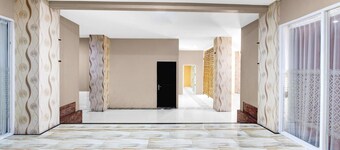
Luxury Twin Stay with Free WiFi and Parking
Solo
Verblijf bij dit vakantiehuis in Baki. Geniet van gratis wifi, kabel/satellietzenders en airconditioning. De populaire attracties Solo Square en Universitas ...
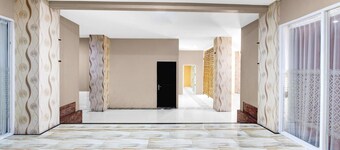
Family Friendly Suite W/Free WiFi Parking and Pool
Solo
Verblijf bij dit vakantiehuis in Baki. Geniet van gratis wifi, kabel/satellietzenders en airconditioning. De populaire attracties Solo Square en Universitas ...
Laagste prijs per nacht gevonden in de afgelopen 24 uur op basis van een verblijf van 1 nacht voor 2 volwassenen. Prijzen en beschikbaarheid kunnen altijd wijzigen. Mogelijk gelden er extra voorwaarden.
Activiteiten
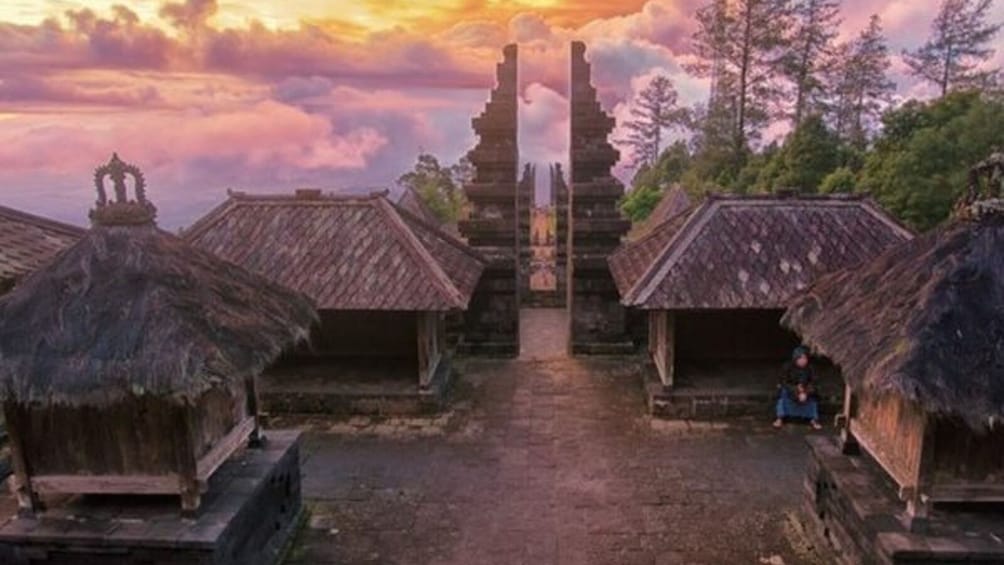
Solo Vintage Tour met Sukuh & Cetho Tempel vanuit Yogyakarta
€ 104
per reiziger