

Foto van Sharrie Shaw

Spahotels in Centrum van Solo
 Verander van gedachtenBoek hotels met gratis annulering
 Wees kieskeurigZoek in bijna een miljoen accommodaties wereldwijd
Controleer de beschikbaarheid van Spahotels in Centrum van Solo
Onze beste keuzes voor hotels met een spa in Centrum van Solo


6.0 van 10, (2 beoordelingen)
'
Hoewel het personeel vriendelijk was, hebben we helaas meerdere ernstige bezwaren bij ons verblijf.
De kamers zijn ruim en mooi ingericht, maar volledig ongeïsoleerd. Elk geluid van buren is letterlijk te horen, en de dunne voordeuren laten alles wat zich in de gang afspeelt – van schoonmaakgeluiden tot gesprekken – storend binnen. Aan rust kom je simpelweg niet toe.
Daarbovenop kregen we te maken met een lekkage in de badkamer, wat het comfort nog verder onder druk zette.
Wat het meest is...

Eduard alexander



De prijs is € 33
inclusief belastingen en toeslagen
18 mrt - 19 mrt
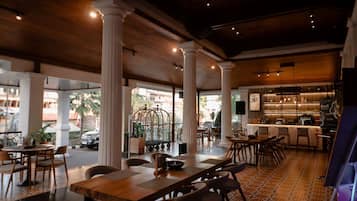
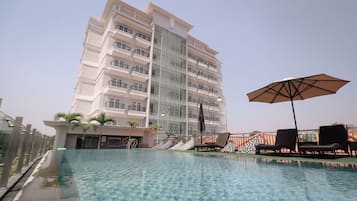
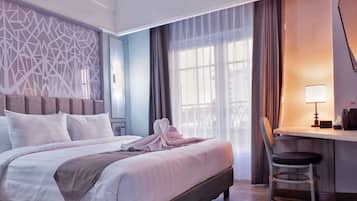
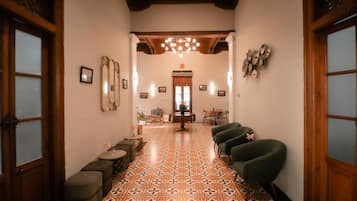
9.4 van 10, Uitzonderlijk, (6 beoordelingen)
'The hotel is an excellent place to stay. The hotel itself is not special or fancy, but it is well-run, clean, and located in the center of Solo. The breakfast buffet is excellent, the restaurant is good, and the hotel also has a nice cafe with an outside seating area. They featured life music at the cafe on weekend evenings. We saw no other foreign guests, which we saw as a plus. Many staff members speak good English.'

Erzo
De prijs is € 28
inclusief belastingen en toeslagen
29 mrt - 30 mrt
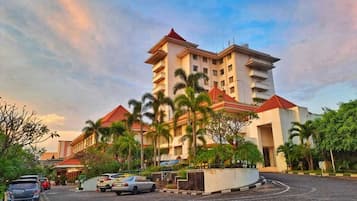
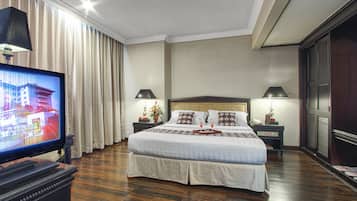


7.2 van 10, Goed, (24 beoordelingen)
'Hotel is gedateerd , kamer waren vies en vuil. We hebben binnen 5 minuten uitgecheckt en zijn naar andere hotel gegaan.'
Patrick
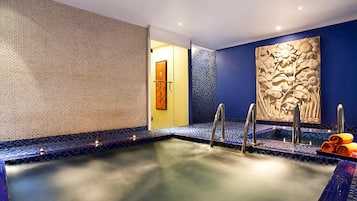

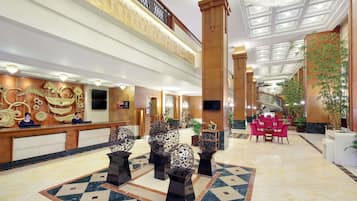

8.2 van 10, Zeer goed, (114 beoordelingen)
'A great hotel. Staff was friendly. I will surely come back again'
Soekanto
De prijs is € 30
inclusief belastingen en toeslagen
27 mrt - 28 mrt
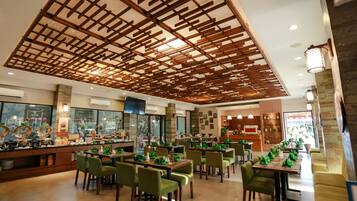

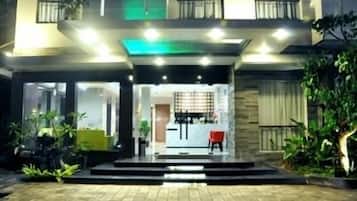
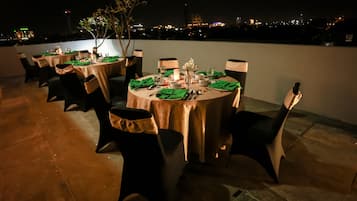
7.2 van 10, Goed, (17 beoordelingen)
'The room and bed were big and comfortable, but no fridge and no safebox. Breakfast was really good, though. The hotel is very close to the Balapan train station, which is nice. It’s a decent budget place, but what makes me unable to recommend is because how dangerous the roads are around the hotel. I stay at places all over SE Asia, so I’m totally used to the motorbike madness. This place, though . . . It takes the cake.'
James
De prijs is € 19
inclusief belastingen en toeslagen
28 mrt - 29 mrt


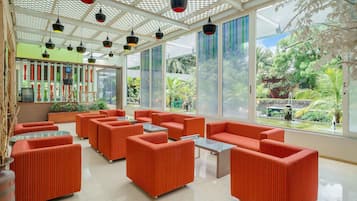
8.2 van 10, Zeer goed, (103 beoordelingen)
'Sauna was just a cabin with no relax area. Steamroom, etc were closed and in need of repair. Did not look like the pics of Expedia at all. '
Ravic
De prijs is € 22
inclusief belastingen en toeslagen
1 apr - 2 apr
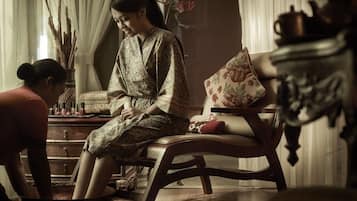
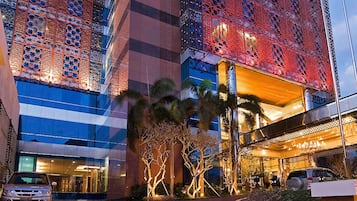


The Royal Surakarta Heritage - Handwritten Collection
The Royal Surakarta Heritage - Handwritten CollectionCentrum van Solo
8.2 van 10, Zeer goed, (168 beoordelingen)
'Goed en prettig verblijf'

Bernadette
De prijs is € 30
inclusief belastingen en toeslagen
28 mrt - 29 mrt

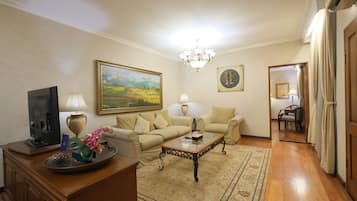
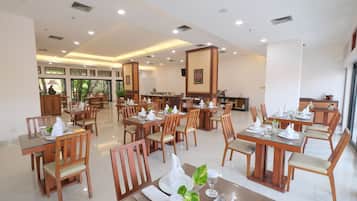

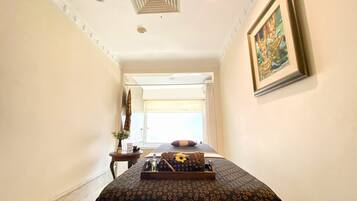
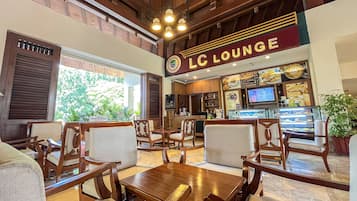

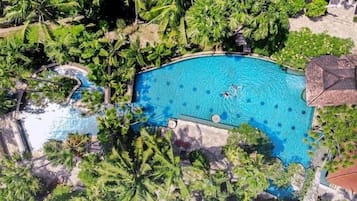
Laagste prijs per nacht gevonden in de afgelopen 24 uur op basis van een verblijf van 1 nacht voor 2 volwassenen. Prijzen en beschikbaarheid kunnen wijzigen. Mogelijk gelden er extra voorwaarden.
De beste hotelbeoordelingen voor Centrum van Solo
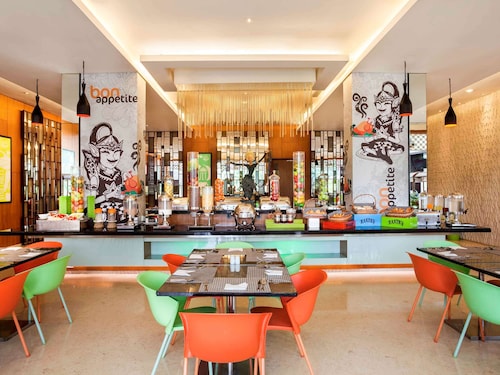
ibis Styles Solo
8/10 Goed