


Locations de vacances à Tegalrejo
 Changez d’avisRéservez des hôtels avec annulation gratuite.
 Faites-vous plaisirConnectez-vous pour économiser 10 % ou plus sur des milliers d’hôtels.
 Trouvez votre bonheurFaites votre choix parmi près d’un million d’hébergements dans le monde entier.
Consultez les prix pour ces dates
Tegalrejo : notre meilleure sélection de locations de vacances























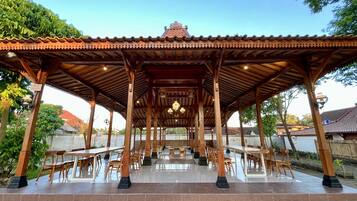

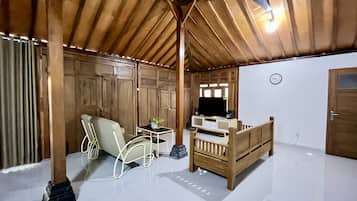


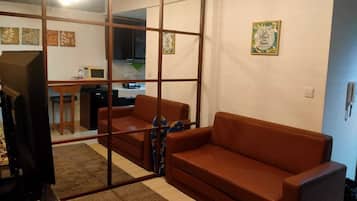


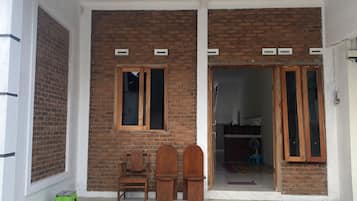










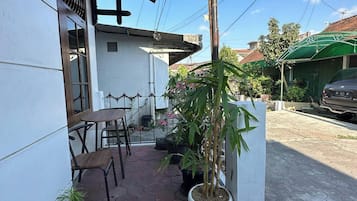








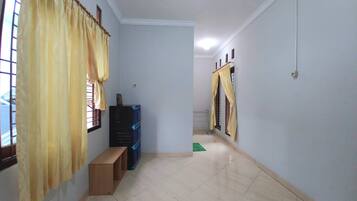



















Trouvez des locations de vacances qui vous conviennent

Tegalrejo : les avis sur les hôtels les plus prisés

Plataran Heritage Borobudur Hotel






Tegalrejo : les informations utiles
Tegalrejo : votre prochaine location de vacances est toute trouvée avec Expedia
Découvrez une nouvelle façon de voyager grâce aux locations de vacances. Pour votre prochain séjour destination Tegalrejo, optez pour un hébergement correspondant parfaitement à vos besoins et à vos envies.
Tegalrejo : les avantages d’un séjour dans une location de vacances
Loger dans une location de vacances est synonyme de confort et d’indépendance. Séjournez dans un appartement de vacances à Tegalrejo pour vous mettre dans la peau des locaux le temps d’un séjour. Besoin de plus d’espace et d’intimité pour chaque membre de votre famille ou de votre groupe d’amis ? Les maisons et les villas de vacances vous offrent une multitude d’options qui vous garantiront des vacances inoubliables. Pour rencontrer d’autres voyageurs et être au plus proche des habitants, les chambres d’hôtes et les gîtes vous ouvrent leurs portes et vous accueillent dans un cadre douillet.
Tegalrejo : les tarifs d’une location saisonnière
Dans cette destination, les tarifs par nuit varient surtout en fonction du type de logement que vous réservez, du nombre de chambres ou de lits et des équipements. La proximité de votre hébergement avec les points d’intérêt populaires et la période de votre voyage auront également un impact sur le prix. Les prix des hébergements à Tegalrejo démarrent à 15 € par nuit.
Tegalrejo : la période idéale pour y séjourner en location de vacances
Si vous partez lors de la basse saison, vous bénéficierez de plus de choix de locations de vacances à des tarifs avantageux, mais certaines activités populaires ne seront potentiellement pas disponibles. Faites des économies sans renoncer à certaines exigences en partant hors saison, lorsque les prix des hébergements sont au plus bas. Tegalrejo compte alors peu de touristes, et les tarifs sont par conséquent plus intéressants. En revanche, la ville est très populaire auprès des touristes lors de la haute saison. Les prix sont habituellement plus élevés pendant cette période et il est recommandé de réserver certaines activités à l’avance.
Tegalrejo : mode d’emploi pour trouver la location de vacances qui vous correspondra
Les filtres de recherche d’Expedia sont vos alliés pour trouver une location saisonnière correspondant à tous vos critères. Par exemple, affinez vos recherches selon le nombre d’étoiles de la location de vacances, les avis d’autres voyageurs ou sa proximité avec des lieux d’intérêt. Vous pouvez aussi définir certains filtres indispensables à votre voyage, tels que la disponibilité d’une place de parking, une connexion Wi-Fi à haut débit, ou encore si les animaux de compagnie sont acceptés lorsque vous voyagez avec votre fidèle compagnon à quatre pattes.
Tegalrejo : conditions d’annulation ou de modification de votre réservation de location de vacances
Sous réserve de certaines conditions, il est parfois possible de modifier vos dates de voyage ou d’annuler votre réservation pour Tegalrejo. Chaque location de vacances pouvant appliquer ses propres règles, nous vous conseillons de vérifier les options de modification ou d’annulation avant de réserver votre hébergement. Bénéficier de flexibilité dans la gestion de vos vacances peut s’avérer utile en cas d’imprévu et vous permettra de planifier votre voyage sereinement.
Faites confiance à Expedia pour réserver une location saisonnière destination Tegalrejo
L’organisation de votre voyage vous stresse et vous vous sentez perdu devant les différents types et les nombreuses options de réservation ? Avec Expedia, vous pouvez facilement gérer tous les aspects de vos vacances en un seul endroit ! Sur notre site ou avec votre smartphone, vous pouvez aisément réserver vos titres de transport et votre location de vacances en quelques étapes. Vous souhaitez planifier la suite de votre voyage une fois sur place, mais vous ne savez pas par où commencer ? Pas d’inquiétude, réservez une voiture et des activités à Tegalrejo grâce à Expedia. Préparez tout votre voyage à l’avance et profitez pleinement de votre location de vacances. Expedia sera toujours à vos côtés, et, qu’elle soit dans votre poche ou dans votre sac, l’application sur votre smartphone se révèlera être le compagnon de voyage idéal. Quoiqu’il arrive, nous sommes là pour vous aider. Nous nous ferons un plaisir de vous aider et de vous accompagner lors de votre déplacement.