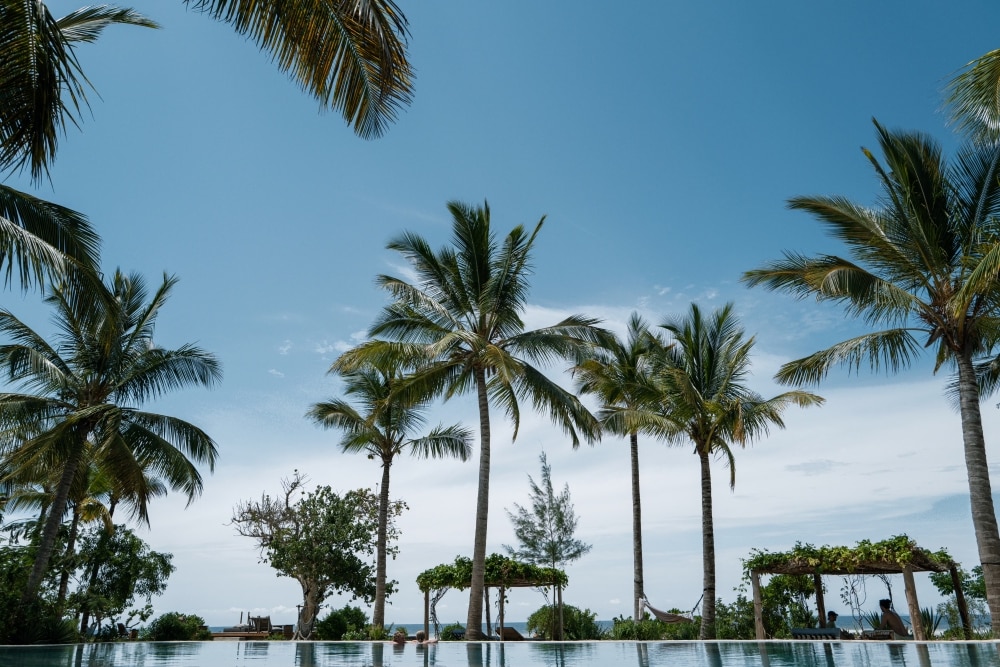


Réservation d'hôtels à Chitradurga
 Changez d’avisRéservez des hôtels avec annulation gratuite.
 Faites-vous plaisirConnectez-vous pour économiser 10 % ou plus sur des milliers d’hôtels.Se connecter
 Trouvez votre bonheurFaites votre choix parmi près d’un million d’hébergements dans le monde entier.
Chitradurga : optez pour un hébergement qui change de vos habitudes
Appartement
Appartement condo
Parc aquatique
Consultez les prix pour ces dates
Ce soir
12 oct. - 13 oct.Demain
13 oct. - 14 oct.Ce week-end
16 oct. - 18 oct.Le week-end prochain
23 oct. - 25 oct.Chitradurga : notre meilleure sélection d’hôtels



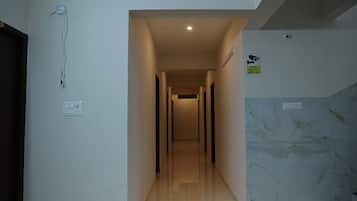
1. Mourya Deluxe AC Lodge
Mourya Deluxe AC LodgeChitradurga
11 €
taxes et frais compris
13 oct. - 14 oct.
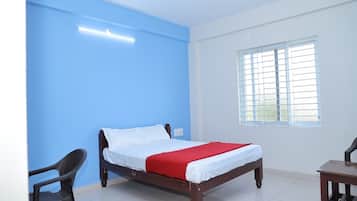


2. Vishwas Comforts
Vishwas ComfortsChitradurga
11 €
taxes et frais compris
13 oct. - 14 oct.


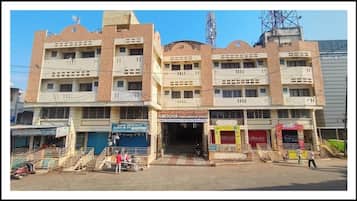
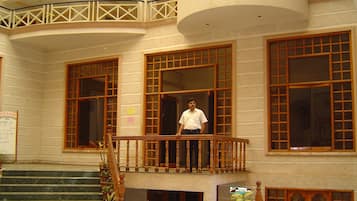
3. Amogha International Hotel
Amogha International HotelChitradurga
18 €
taxes et frais compris
13 oct. - 14 oct.
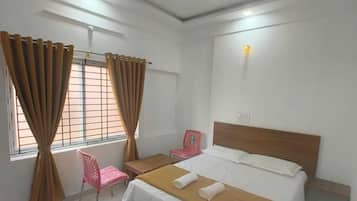
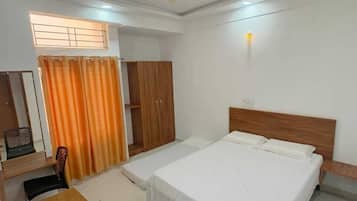

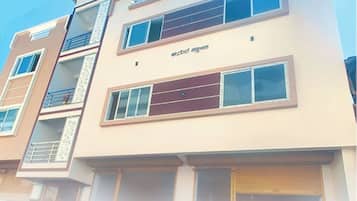
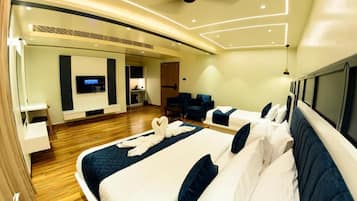
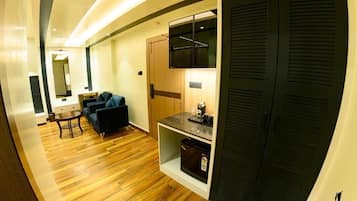
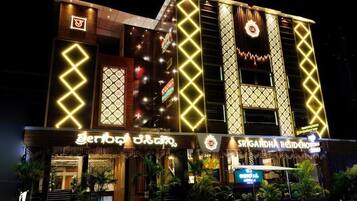

5. Srigandha Residency
Srigandha ResidencyDavanagere
25 €
taxes et frais compris
13 oct. - 14 oct.



7. Sai International Hotel
Sai International HotelDavanagere
36 €
taxes et frais compris
13 oct. - 14 oct.
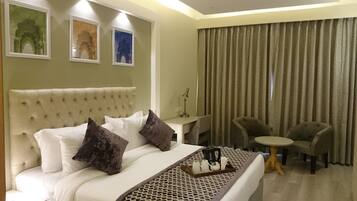
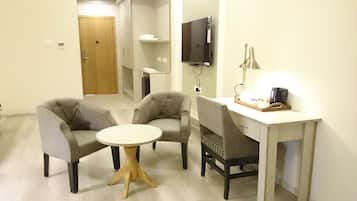


8. Mango Hotels Naveen
Mango Hotels NaveenDavanagere

SUNIL
38 €
taxes et frais compris
13 oct. - 14 oct.

Connectez-vous et économisez en moyenne 15 % sur des milliers d’hôtels
Séjournez à proximité d’attractions populaires à Chitradurga
Fort de Chitradurga
8.0/10 (1 avis)
Revivez les événements qui ont marqué Chitradurga en vous arrêtant à Fort de Chitradurga. Lors de votre séjour dans la région, réservez un peu de temps dans votre agenda pour découvrir ses temples et ses monuments.
Jamia Masjid
Après avoir visité Jamia Masjid, pensez à jeter un œil aux autres curiosités et activités à Chitradurga. Lors de votre séjour dans la région, réservez un peu de temps dans votre agenda pour découvrir ses temples et ses monuments.
Site archéologique de Chandravalli
8.0/10 (1 avis)
Pour approfondir vos connaissances sur l'histoire qui a marqué Chitradurga, n'hésitez pas à vous arrêter à Site archéologique de Chandravalli. Explorez la région et offrez-vous des balades revigorantes le long de ses jardins ou découvrez ses temples.
Gopalaswamy Honda
Entrez en communion avec la nature et prenez un bon bol d'air à Gopalaswamy Honda en explorant Chitradurga. Lors de votre séjour dans la région, réservez un peu de temps dans votre agenda pour découvrir ses temples et ses monuments.
Akka Honda
Entrez en communion avec la nature et prenez un bon bol d'air à Akka Honda en explorant Chitradurga. Explorez la région et offrez-vous des balades revigorantes le long de ses jardins ou découvrez ses temples.
En savoir plus sur Chitradurga
Chitradurga vous attend ! Vous y trouverez des temples sacrés, des jardins colorés, des monuments et bien plus encore.
Afficher tous les hôtels à Chitradurga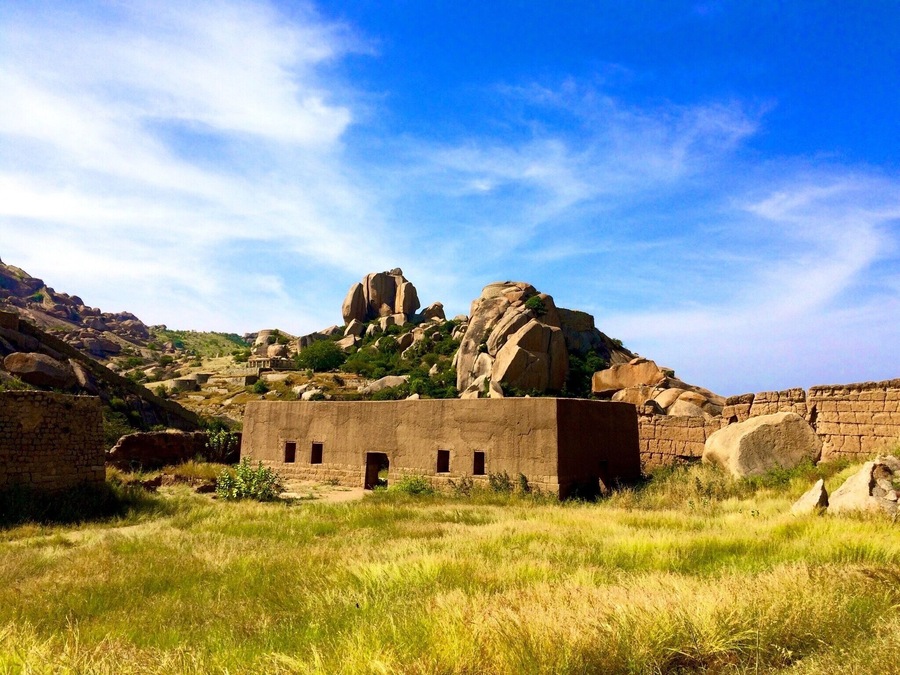
Photo prise par Tanya Raman
Chitradurga : les avis sur les hôtels les plus prisés
Séjours pas chers à Chitradurga
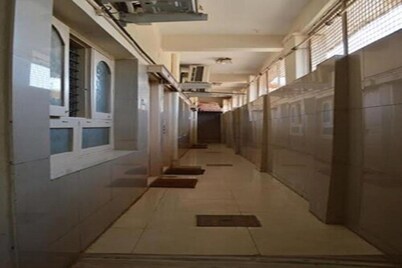
Mourya Deluxe AC Lodge
Patanjali Hospital Rd Chitradurga KA
11 €
13 oct. - 14 oct.
taxes et frais compris

SPR COMFORTS
Medhehalli Rd Vijayanagar Chitradurga KA
13 €
13 oct. - 14 oct.
taxes et frais compris

Kalpavana Resort
B.V.Nagara, Madhure, Dasarahalli Hosdurga Karnataka


iROOMZ Hotel Abhiman
P B Road, Opp Reliance Market Davanagere Karnataka
4/10 (1 avis)

IROOMZ Eco - HOTEL BIG BOSS
NH-4 Daavanagere road Hotel Big Boss Chitradurga KA
4/10 (1 avis)