

Ave Maria Grotto
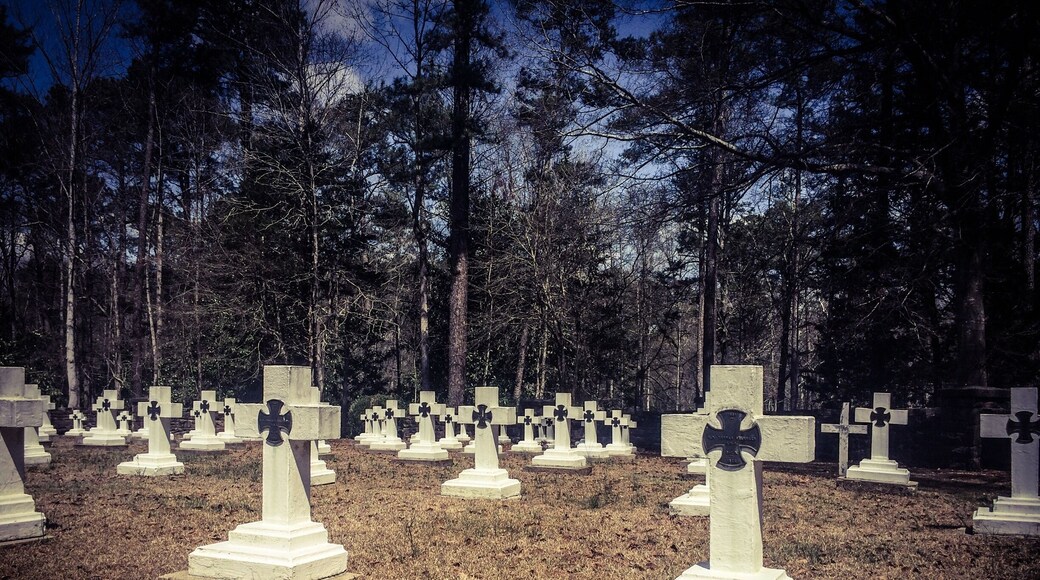
Bezoek Ave Maria Grotto
Activiteiten

Huntsville en North Alabama Multi-attractiepas
€ 36
per volwassene

Verblijf in de buurt van populaire bezienswaardigheden in Ave Maria Grotto
Beste hotelaanbiedingen in Ave Maria Grotto
Controleer de beschikbaarheid van hotels in de buurt van Ave Maria Grotto
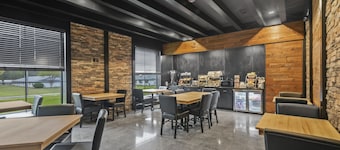
Cobblestone Hotel & Suites - Cullman
1835 Main Ave SW Cullman AL

Days Inn by Wyndham Cullman
1841 4th St Sw Cullman AL
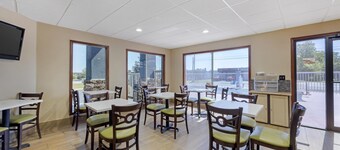
Best Western Fairwinds Inn
1917 Commerce Avenue Cullman AL

Home2 Suites By Hilton Cullman
5720 AL Hwy 157 Cullman AL

Fairfield Inn & Suites By Marriott Cullman
1855 North Crest Dr. NW Cullman AL
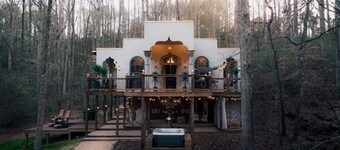
“The Flying Carpet” Moroccan Treehouse
Cullman AL

Little's On The Lake - 10 Minutes from I-65. Long Term Booking Discounts!
Cullman AL

Cozy 102 Cabin 1 bdrm on Smith Lake Located beside Smith Lake Park Boat Ramp
Cullman AL

Historic Cabin in a natural setting with waterfalls and covered bridge
Cullman AL
Laagste prijs per nacht gevonden in de afgelopen 24 uur op basis van een verblijf van 1 nacht voor 2 volwassenen. Prijzen en beschikbaarheid kunnen altijd wijzigen. Mogelijk gelden er extra voorwaarden.
Ontdek de wereld met Expedia
- Hotels in Huntsville
- Hotels in Pell City
- Pensions in Birmingham
- Hotels in Boaz
- Hotels met waterpark in Birmingham
- Hotels in Cullman
- Hotels in de buurt van MidCity Huntsville
- Hotels in Houston
- Hotels in Hoover
- Hotels in Bessemer
- Hotels in Owens Cross Roads
- Hotels in Athens
- Hotels in de buurt van The Orion Amphitheater
- Hotels in Centrum van Birmingham
- Hotels in Birmingham
- Motels in Leeds
- Hotels in Eva
- Campings en stacaravans in Bremen
- Vluchten van Düsseldorf (DUS) naar Birmingham (BHM)
- Vluchten van Newark (EWR) naar Birmingham (BHM)
- Vluchten van Eindhoven (EIN) naar Huntsville (HSV)
- Vluchten naar Bremen
- Vluchten van Atlanta (ATL) naar Birmingham (BHM)
- Vluchten naar Hoover
- Vluchten naar Huntsville
- Vluchten van Miami (MIA) naar Birmingham (BHM)
- Vluchten van Bristol (BRS) naar Birmingham (BHM)
- Vluchten van Richmond (RIC) naar Birmingham (BHM)
- Vluchten naar Haleyville
- Vluchten naar Arab
- Vluchten van Brussel (BRU) naar Birmingham (BHM)
- Vluchten van Fort Walton Beach (VPS) naar Birmingham (BHM)
- Vluchten naar Ashville
- Vluchten van Pasco (PSC) naar Huntsville (HSV)
- Vluchten van Washington (IAD) naar Huntsville (HSV)
- Vluchten van Detroit (DTW) naar Birmingham (BHM)
- Vluchten naar Dolomite
- Vluchten van Brussel (BRU) naar Huntsville (HSV)
- Vluchten naar Guntersville
- Vluchten van Mexico-Stad (MEX) naar Huntsville (HSV)
- Vluchten van Columbus (CMH) naar Huntsville (HSV)
- Vluchten naar Birmingham
- Bezoek Pinson
- Vakanties in Birmingham
- Dierentuin van Birmingham
- Sand Mountain Park
- Boaz Outlet Center
- The Orion Amphitheater
- Bezoek Huntsville
- Airwalk Trampoline Arena
- Church of the Highlands Grandview
- Bezoek Birmingham
- Courtland Heritage Museum
- Bezoek Boaz
- Bezoek Adger
- Protective Stadium
- Funzone
- Barber Motorsports Park
- Vulcan Park & Museum
- Vakanties in Athens
- Vakanties in Hazel Green