

Photo de Sharrie Shaw

Hôtel Banjarsari, Surakarta
 Changez d’avisRéservez des hôtels avec annulation gratuite.
 Faites-vous plaisirConnectez-vous pour économiser 10 % ou plus sur des milliers d’hôtels.
 Trouvez votre bonheurFaites votre choix parmi près d’un million d’hébergements dans le monde entier.
Consultez les prix pour ces dates
Ce soir
Demain
Le week-end prochain
Dans deux semaines
Banjarsari : notre meilleure sélection d’hôtels
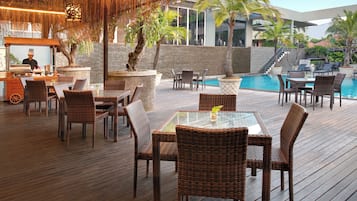
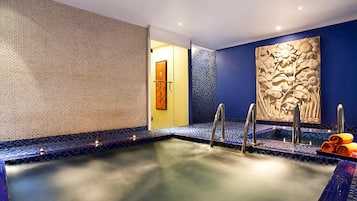


1. Novotel Solo
Novotel SoloBanjarsari
8.2 sur 10, Très bien, (124 avis)
« L'état général de l'hotel est un peu démodé. Il n'est plus d'un niveau 4 étoiles.
Le pire est le restaurant. C'est une honte !
La prochaine fois j'essayera un autre hotel. »

Ivan
Le nouveau prix est de 29 €
taxes et frais compris
19 oct. - 20 oct.


2. Swiss-Belhotel Solo
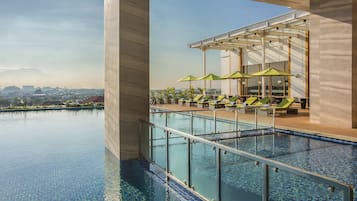
Swiss-Belhotel SoloBanjarsari
9.2 sur 10, Merveilleux, (44 avis)
« Schone kamer, gastvrij personeel en behulpzaam, super ontbijt en avondeten, topservice! »

Riando
Le nouveau prix est de 47 €
taxes et frais compris
1 nov. - 2 nov.



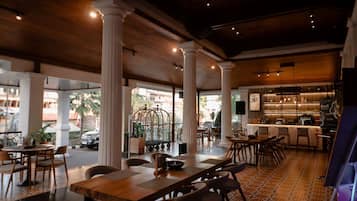
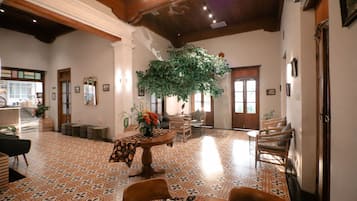
3. Mahalaya The Legacy Solo
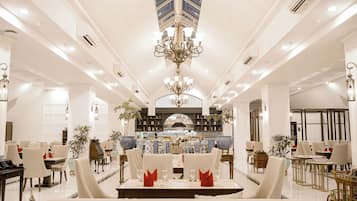
Mahalaya The Legacy SoloBanjarsari
9.0 sur 10, Merveilleux, (7 avis)
« ロビーの吹き抜けが気持ちいいコロニアル風ビルのホテル。外出から戻り、レモングラスの香りが漂うロビーに入るとほっとしました。
滞在中、私の電子機器の不具合が原因で部屋が停電してしまったのですが(恐らくヒューズが飛んだ)、夜遅い時間にもかかわらずすぐにエンジニアが対応してくれ助かりました。
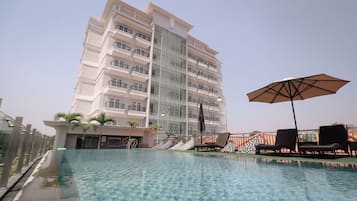
プールは小さく、プールサイドのスペースもあまりないので泳ぐのが好きな人には少し物足りないかもしれません。
プールサイドのカフェで滞在中1回、アフタヌーンティーのサービスがあり、インドネシアのお菓子が中心の素敵なセットで楽しくいただきました。また、ここのカフェはビールも提供しています。
メインダイニングは最上階にありますが、朝食会場も兼ねていて、カジュアルな雰囲気。夜はあまり利用者がないように見受けられました。
すぐ近くにショッピングモールがあり、ちょっとした買い物や上階のフードコートでの食事などに便利です。 »

MIZUHO
Le nouveau prix est de 33 €
taxes et frais compris
18 oct. - 19 oct.

4. FIM by Zigna
FIM by ZignaBanjarsari
9.6 sur 10, Exceptionnel, (9 avis)
Le nouveau prix est de 18 €
taxes et frais compris
20 oct. - 21 oct.

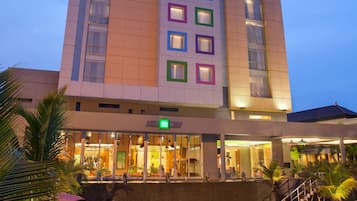
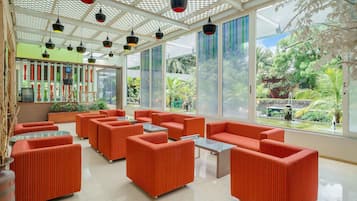
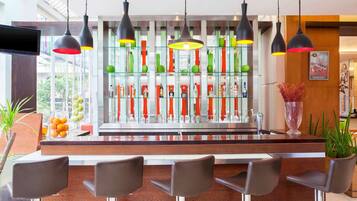
5. ibis Styles Solo
ibis Styles SoloBanjarsari
8.2 sur 10, Très bien, (109 avis)
« bonne impression »

Voyageur anonyme
Le nouveau prix est de 19 €
taxes et frais compris
19 oct. - 20 oct.
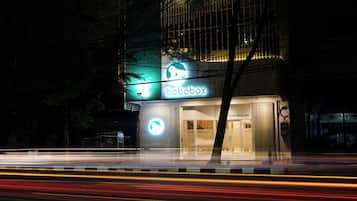
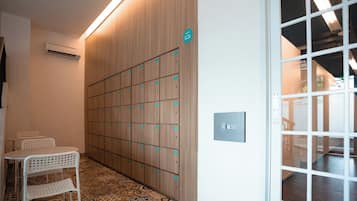


6. Bobopod Slamet Riyadi Solo
Bobopod Slamet Riyadi SoloBanjarsari
10.0 sur 10, Exceptionnel, (1 avis)
« matur nuwun »

Sri
Le nouveau prix est de 9 €
taxes et frais compris
18 oct. - 19 oct.

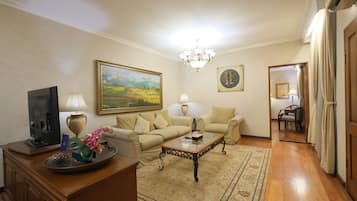
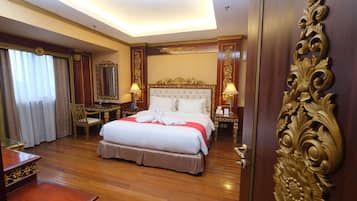
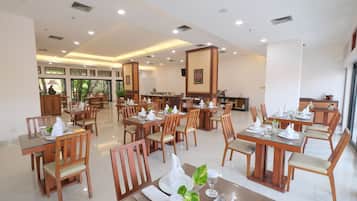
7. GRAND ORCHID HOTEL SOLO
GRAND ORCHID HOTEL SOLOBanjarsari
Le nouveau prix est de 19 €
taxes et frais compris
30 oct. - 31 oct.


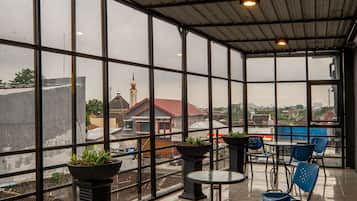
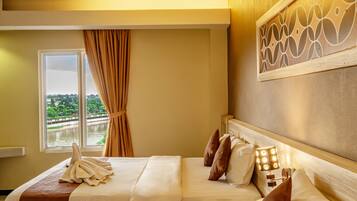
9. Red Chilies Hotel
Red Chilies HotelBanjarsari
Le nouveau prix est de 15 €
taxes et frais compris
18 oct. - 19 oct.



10. Rumah Turi Eco Hotel
Rumah Turi Eco HotelBanjarsari
7.8 sur 10, Bien, (15 avis)
« We were disappointed with this hotel, although that may also be coloured by the fact we didn’t like Solo very much. When we first got in the room, it was very musty smelling (which is being generous about its smell). The room was very basic (which is fine) but there was no place at all to hang out outside despite having a big garden space. The garden is all plants and water features, no tables. The location was convenient to the train station but not really to “downtown”. Walking in Solo is not...

Rosann
Le nouveau prix est de 13 €
taxes et frais compris
18 oct. - 19 oct.
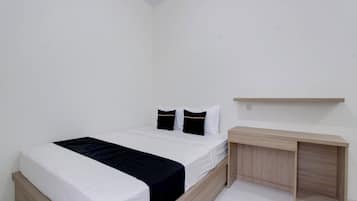
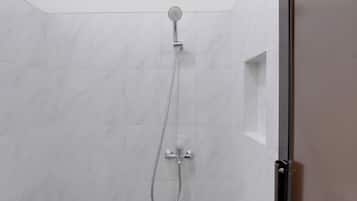
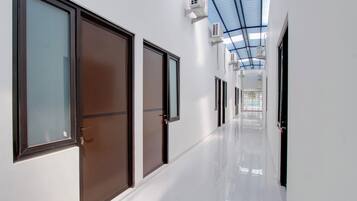

11. Collection O near Terminal Tirtonadi
Collection O near Terminal TirtonadiBanjarsari
Le nouveau prix est de 7 €
taxes et frais compris
21 oct. - 22 oct.
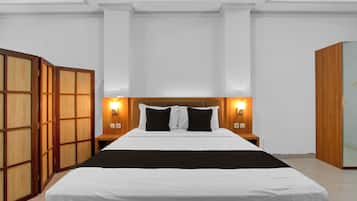

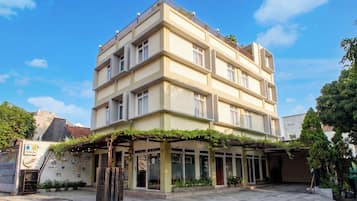

12. Collection O near Stasiun Solo Balapan f
Collection O near Stasiun Solo Balapan fBanjarsari
Le nouveau prix est de 6 €
taxes et frais compris
19 oct. - 20 oct.
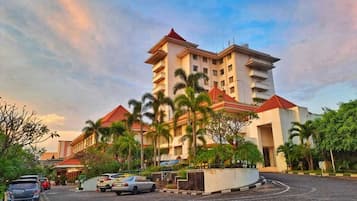
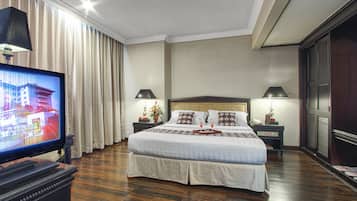


13. Sahid Jaya Hotel Solo
Sahid Jaya Hotel SoloBanjarsari
7.2 sur 10, Bien, (24 avis)
« Hotel un peu vieillot.
Sèche cheveux qui fonctionne très mal
Eau chaude de couleur noire pendant le séjour. Donc se laver à l'eau froide et aucune remise de l'établissement pour ce désagrément.
Grille pain qui fonctionne mal (il faut mettre 8 fois le pain pour qu'il soit à peine grillé) »
Voyageur anonyme
Le nouveau prix est de 40 €
taxes et frais compris
18 oct. - 19 oct.
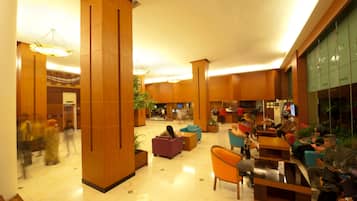


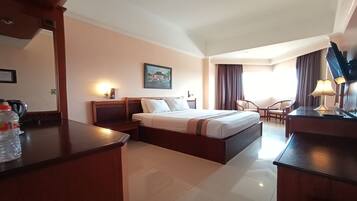
14. Hotel Asia
Hotel AsiaBanjarsari
6.0 sur 10, (12 avis)
« Properti kurang terawat »
Giant
Le nouveau prix est de 23 €
taxes et frais compris
16 nov. - 17 nov.
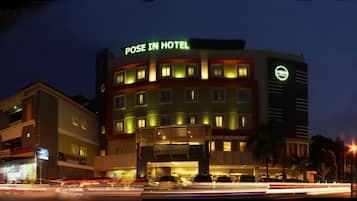
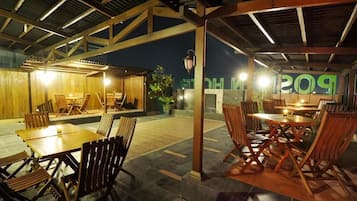
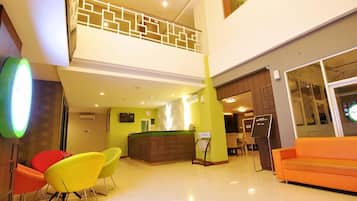

15. Pose in Solo by Wstay
Pose in Solo by WstayBanjarsari
6.8 sur 10, (17 avis)
« Lekkage plafond en dat is al aangemeld maar was nog geen reactie van de personeel. »
Pasri
Le nouveau prix est de 18 €
taxes et frais compris
18 oct. - 19 oct.
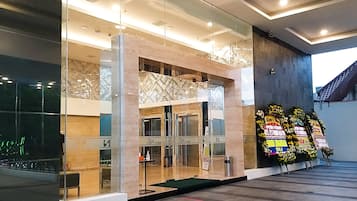


16. Zest Parang Raja Solo by Swiss-Belhotel International
Zest Parang Raja Solo by Swiss-Belhotel InternationalBanjarsari
7.0 sur 10, Bien, (4 avis)
« スタッフの対応はズレていた。 »
MORIHIRO
Le nouveau prix est de 20 €
taxes et frais compris
22 oct. - 23 oct.
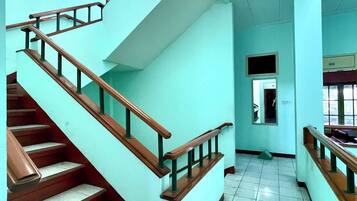
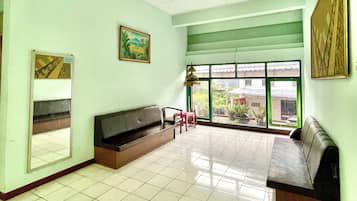

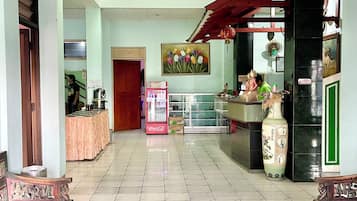
17. Hotel Tirtonadi Permai
Hotel Tirtonadi PermaiBanjarsari
Le nouveau prix est de 4 €
taxes et frais compris
22 oct. - 23 oct.
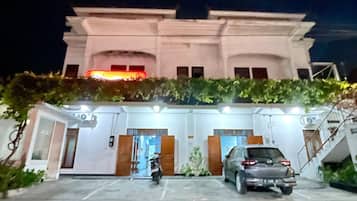


18. Telu Telu Solo
Telu Telu SoloBanjarsari
8.0 sur 10, Très bien, (1 avis)
« Sesuai harga.air panas ok.semua pesanan lewat app diletakkan di lantai 2. »
Sam
Le nouveau prix est de 8 €
taxes et frais compris
19 oct. - 20 oct.


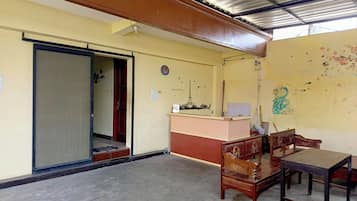
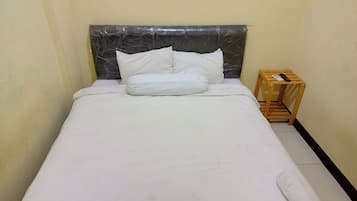
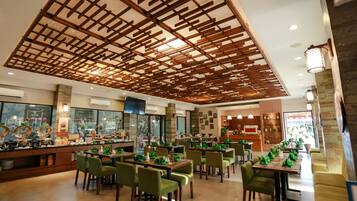

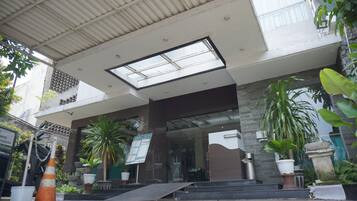
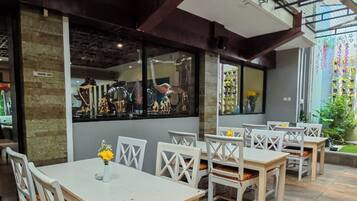
20. Loji Hotel Solo by Wstay
Loji Hotel Solo by WstayBanjarsari
7.2 sur 10, Bien, (17 avis)
« The room and bed were big and comfortable, but no fridge and no safebox. Breakfast was really good, though. The hotel is very close to the Balapan train station, which is nice. It’s a decent budget place, but what makes me unable to recommend is because how dangerous the roads are around the hotel. I stay at places all over SE Asia, so I’m totally used to the motorbike madness. This place, though . . . It takes the cake. »

James
Le nouveau prix est de 15 €
taxes et frais compris
21 oct. - 22 oct.
Prix par nuit le plus bas trouvé au cours des 24 dernières heures sur la base d’un séjour d’une nuit pour 2 adultes. Les prix et la disponibilité sont susceptibles de changer. Des conditions supplémentaires peuvent s’appliquer.
Banjarsari : comparer les hôtels populaires
Hébergement | Catégorie d’hébergement | Note des voyageurs | Petit déjeuner compris | Piscine | Spa | Animaux acceptés | Wi-Fi inclus | |
|---|---|---|---|---|---|---|---|---|
 Swiss-Belhotel Solo | 9.2 Merveilleux 44 avis | Consulter | ||||||
 FIM by Zigna | 9.6 Exceptionnel 9 avis | Consulter | ||||||
 Novotel Solo | 8.2 Très bien 124 avis | Consulter | ||||||
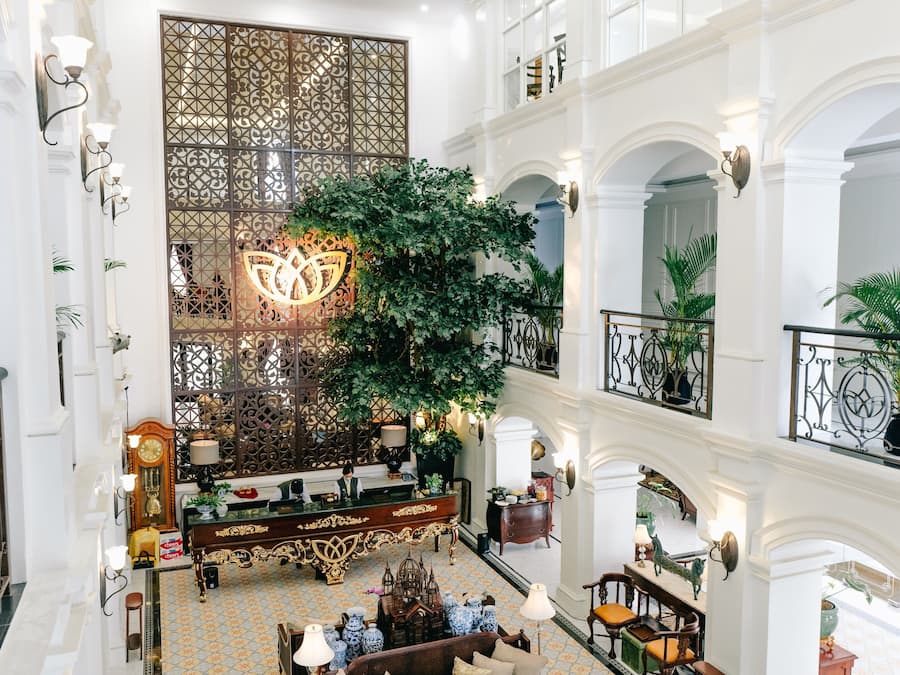 Mahalaya The Legacy Solo | 9.0 Merveilleux 7 avis | Consulter | ||||||
 ibis Styles Solo | 8.2 Très bien 109 avis | Consulter |
Voyage à Banjarsari : les meilleurs quartiers
Trouvez les meilleurs quartiers à Banjarsari pour réaliser vos activités favorites.
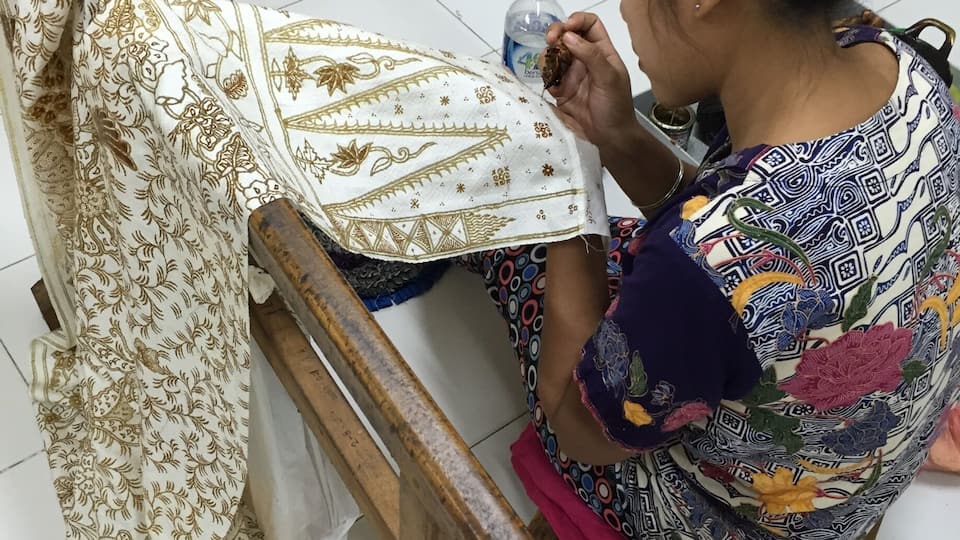
Photo prise par Sharrie Shaw
Photo libre de droits prise par Sharrie Shaw
Centre-ville de Solo
À Centre-ville de Solo, vous pourrez profiter des musées et des trésors zoologiques. Vous aimerez certainement prendre le temps de découvrir les emblématiques Solo Paragon Lifestyle Mall (centre commercial) et Parc de Keprabon.
Laweyan
Même si Laweyan n'offre pas un grand nombre de sites exceptionnels, il existe des endroits magnifiques à visiter à proximité : Solo Paragon Lifestyle Mall (centre commercial) et Centre commercial Solo Square.